Home › Road, Street, and Municipal Paving
Partner with an experienced crew for dependable road paving in Charleston, SC. We construct and resurface streets, subdivision roads, and municipal routes with attention to grading, compaction, and smooth finishes that stand up to everyday traffic.
Precision Asphalt Charleston provides professional road paving throughout Charleston, SC, South Carolina and the surrounding area. Our licensed, insured crew delivers safe, clean, on-time work with a free estimate before anything begins. Call (854) 666-3678 or request your free quote.
Road and Municipal Paving in Charleston, Built for Lowcountry Conditions
Roads in Charleston work harder than most. Between heavy tourist traffic, ongoing construction, port-related trucks, flooding, and constant temperature swings, local streets need more than a thin layer of blacktop. Precision Asphalt Charleston focuses on designing and installing road paving systems that match how each road is actually used and how the Lowcountry climate affects it over time.
For neighborhood streets in areas like West Ashley, James Island, and North Charleston, we look closely at existing base conditions. Many older streets were built when traffic volumes and vehicle weights were much lighter. Before we recommend any paving plan, we core sample or test the existing pavement and subgrade to see if the base can be reused, needs stabilization, or must be rebuilt completely. For municipal streets near the historic district, where utilities are often shallow and underground infrastructure is older, we plan paving around manholes, brick gutters, and drainage structures so you get a smooth surface without compromising historic features.
Local conditions matter. Charleston’s high water table and regular heavy rains mean poor drainage will destroy even a new road from the bottom up. We evaluate slope, inlet locations, and any known flood-prone spots, then design the asphalt mix and thickness so that water sheds properly and does not pond in ruts. This upfront planning is what helps our municipal and commercial clients get a longer life from every paving dollar.
How Our Road Paving Process Works Step by Step
Every road and municipal paving project we handle follows a clear process so you know what will happen, when, and why. It starts with a site visit. We walk the road, mark visible failures such as alligator cracking, rutting, base failures, or edge breakup, and note drainage patterns and traffic loading. On bus routes, roads with frequent garbage trucks, or streets serving industrial sites, we plan for much heavier and more frequent loads than on a simple residential cul-de-sac.
Next comes evaluation and design. We determine whether your project needs mill and overlay, full-depth reclamation, or complete reconstruction. If the existing asphalt is structurally sound but aged, we may recommend milling off 1 to 2 inches and installing a new surface course. If the road has deep structural failures, we may mill deeper or reclaim the base and bind it with cement or asphalt emulsion, essentially creating a new stabilized foundation without hauling everything away. For city and county clients, we can provide typical sections, mix recommendations, and estimated lifecycles so they can prioritize budgets.
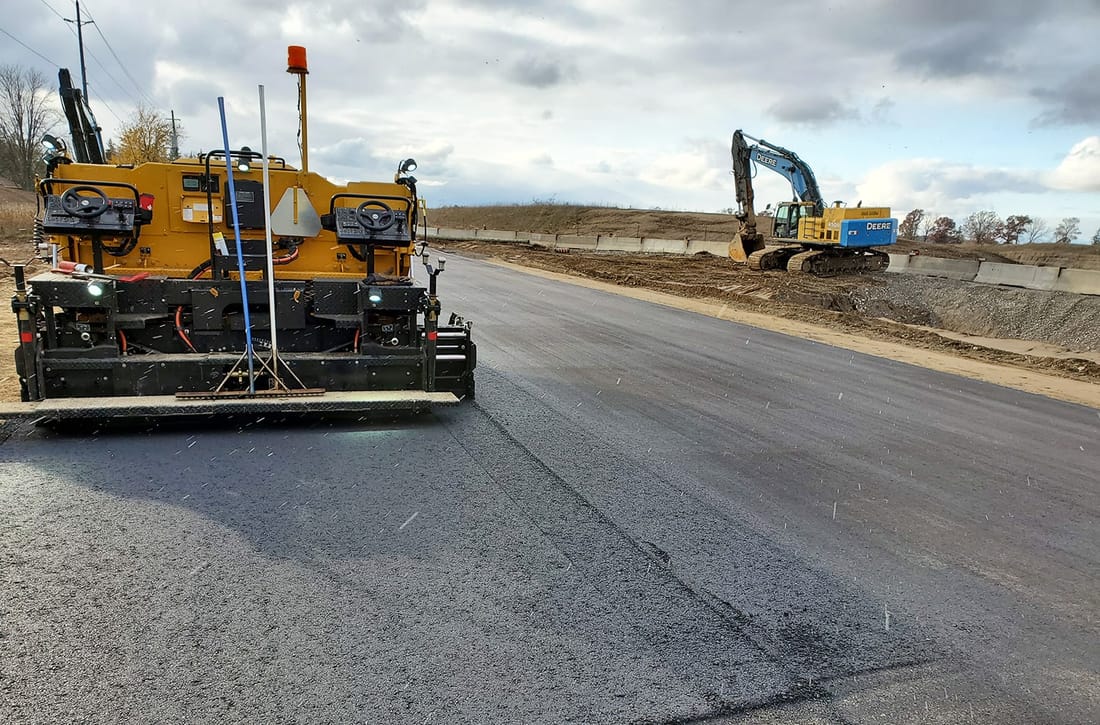
Once the design is set, we schedule work to limit disruption. For municipal and subdivision roads in Charleston, this often means phasing: paving one side of the street at a time, keeping emergency access open, and coordinating with CARTA bus routes or school schedules. Our crews begin by adjusting utilities, cleaning and tacking the surface, then performing any milling or base repairs. After that, we place asphalt in one or more lifts with a self-propelled paver, using steel drum rollers and rubber tire rollers in a specific pattern to achieve proper density. The final step is striping, signage, and any thermoplastic markings, installed after the asphalt has cooled enough to hold crisp, durable lines.
Material Choices, Mix Designs, and Thickness for Charleston Roads
Not all asphalt is the same. For road paving in Charleston, the right mix design and thickness make a huge difference in how long the pavement lasts, particularly with our summer heat and frequent rain. Precision Asphalt Charleston works with South Carolina DOT approved mixes and local suppliers to match the asphalt to the job.
On residential streets, we typically use a fine to medium surface mix that provides good ride quality and skid resistance. The thickness might range from 1.5 to 2 inches for an overlay, or 3 to 4 inches total when we include base and binder layers for new construction. For heavier use roads, such as those serving industrial parks or near the port, we may recommend a coarser, more rut resistant mix and additional thickness. In some cases we design multiple layers, with a stronger binder course below and a smoother surface course on top, so the road can handle loaded trucks without deforming.
Because of Charleston’s drainage challenges, we sometimes incorporate open graded friction courses or specialized surface mixes that improve water shedding and reduce hydroplaning risk. We also look at aggregate type, since certain local aggregates perform better in our climate and under studded tire or chain use for fleeting winter storms. On streets where utilities are frequently accessed, such as older downtown neighborhoods with repeated trench cuts, we often pair our asphalt work with improved detail around trench restoration. This means better compaction around utility cuts, staggered joints, and sometimes geotextile reinforcement so patches do not sink or crack as quickly.
For municipal clients working within a fixed budget, we can model different section options, for example, a slightly thinner section with a higher performance mix, versus a thicker section using a more standard mix. We explain where it makes sense to spend more and where we can safely save, based on your traffic patterns and pavement management goals.
Cost Drivers, Bidding, and How to Control Your Road Paving Budget
The cost of road paving in Charleston is affected by several concrete factors. The biggest drivers are existing base condition, total asphalt tonnage, traffic control needs, and how many mobilizations the project requires. Precision Asphalt Charleston walks you through these variables before you commit, so there are fewer surprises once work begins.
If the existing base is in good shape, a mill and overlay is usually the most economical option. When extensive base failure is present, you pay for more excavation, new base stone or stabilization materials, and additional compaction time. This can significantly raise the per square yard cost, but it also prevents you from wasting money on a surface that will fail prematurely. Road width and thickness determine material tonnage, which is a direct cost. For example, adding just half an inch of asphalt across a long municipal road can mean dozens of additional truckloads.
Traffic control is another important cost element in Charleston, especially along busy corridors or near schools, hospitals, or tourist areas. Creating detours, providing flaggers, coordinating with local agencies, and working at night all add to the project budget, but they can shorten the schedule and reduce disruption. Mobilizations matter too. Paving a scattered set of small streets around Charleston on multiple days is less efficient than grouping them so crews and equipment move fewer times. We help public works departments and HOAs bundle projects to get better unit pricing.
When we prepare bids, we break out key components so decision makers can see where adjustments can be made. For example, choosing thermoplastic striping on a high volume intersection instead of paint may increase upfront cost but reduce restriping frequency. Using a slightly higher grade binder in known rutting areas may delay major rehabilitation. Our goal is to align the paving plan and budget with how you expect the road to perform over the next 10 to 20 years, not just the current fiscal cycle.
Common Road Paving Problems in Charleston and How We Address Them
Charleston’s environment creates a predictable set of pavement problems. Flooding and standing water are major issues, particularly in low lying neighborhoods and near marshes. When water sits on or under a road, it weakens the base and leads to potholes and alligator cracking. Before we add new asphalt, Precision Asphalt Charleston looks upstream and downstream at how water enters and leaves the roadway. We may recommend minor grading changes, cleaning or adjusting inlets, or adding edge drains along certain stretches. Fixing drainage first usually adds years to the life of the new pavement.
Another issue is rutting and shoving on roads that see frequent heavy braking and turning, such as intersections near shopping centers or access points to industrial sites. To combat this, we use mixes and compaction targets designed for high shear areas and may increase thickness or change the layer configuration in these specific zones. We also pay close attention to joint construction. Improperly built longitudinal joints are one of the most common weak points in any road. Our crews follow strict rolling patterns and joint techniques so the seams between paving passes do not unravel early.
In older parts of Charleston, especially downtown and around older subdivisions, repeated trench cuts for utilities can turn a smooth street into a patchwork of bumps and cracks. We coordinate with utilities when possible to cluster their work before a major paving job. Where cuts are unavoidable, we use sawcut edges, proper compaction, and, when specified, reinforcing grids or fabrics across the patch area to keep settlement to a minimum. By designing repairs that respect the existing street structure, we help municipalities and property managers avoid the constant cycle of patch and repatch.
Temperature swings also affect paving quality. In summer heat, asphalt must be placed and compacted quickly to avoid segregation and premature cooling at joints. In cooler months, we monitor temperatures at the plant, in the truck, and behind the paver to ensure the mix is compacted within the right window. These quality control steps are built into our process, and we invite inspectors and engineers to verify them in the field.
Working With Precision Asphalt Charleston on Your Next Road Project
Whether you manage a single private road, an HOA street network, or an entire municipal system, the planning you do before paving is as important as the asphalt itself. Precision Asphalt Charleston helps you scope work in a way that fits your budget, schedule, and long term goals. For HOAs and private communities, we can walk your streets, categorize pavement conditions, and prioritize which sections truly need full reconstruction versus which can be preserved with overlays or targeted repairs. This approach is especially useful in neighborhoods built in the 1980s and 1990s, where pavement is reaching the age that demands more than cosmetic fixes.
For city and county agencies, we are comfortable working within formal bid processes and performance specifications. We can review your existing pavement condition data, help define logical project limits, and suggest details that improve performance without complicating construction, such as best practices for tie ins at intersections, recommended milling depths for curb reveal, and proper transitions at existing concrete sections. Throughout the project, we maintain clear communication about scheduling, lane closures, and any adjustments needed if unforeseen subsurface conditions appear.
Safety and public impact are always front of mind. We plan traffic control, signage, and phasing to keep residents informed and emergency access open. Our crews understand they are working where people live and work, not on a closed industrial site, so we keep sites orderly and responsive to residents and businesses. At the end of the job, we walk the project with you, address punch list items promptly, and provide information on recommended maintenance, such as when to consider crack sealing or surface treatments to preserve your investment.
If you are planning upcoming road paving work in Charleston or the surrounding Lowcountry, Precision Asphalt Charleston is ready to help you choose the right solution for your streets, roads, and municipal properties.