Home › Private Road and Lane Paving
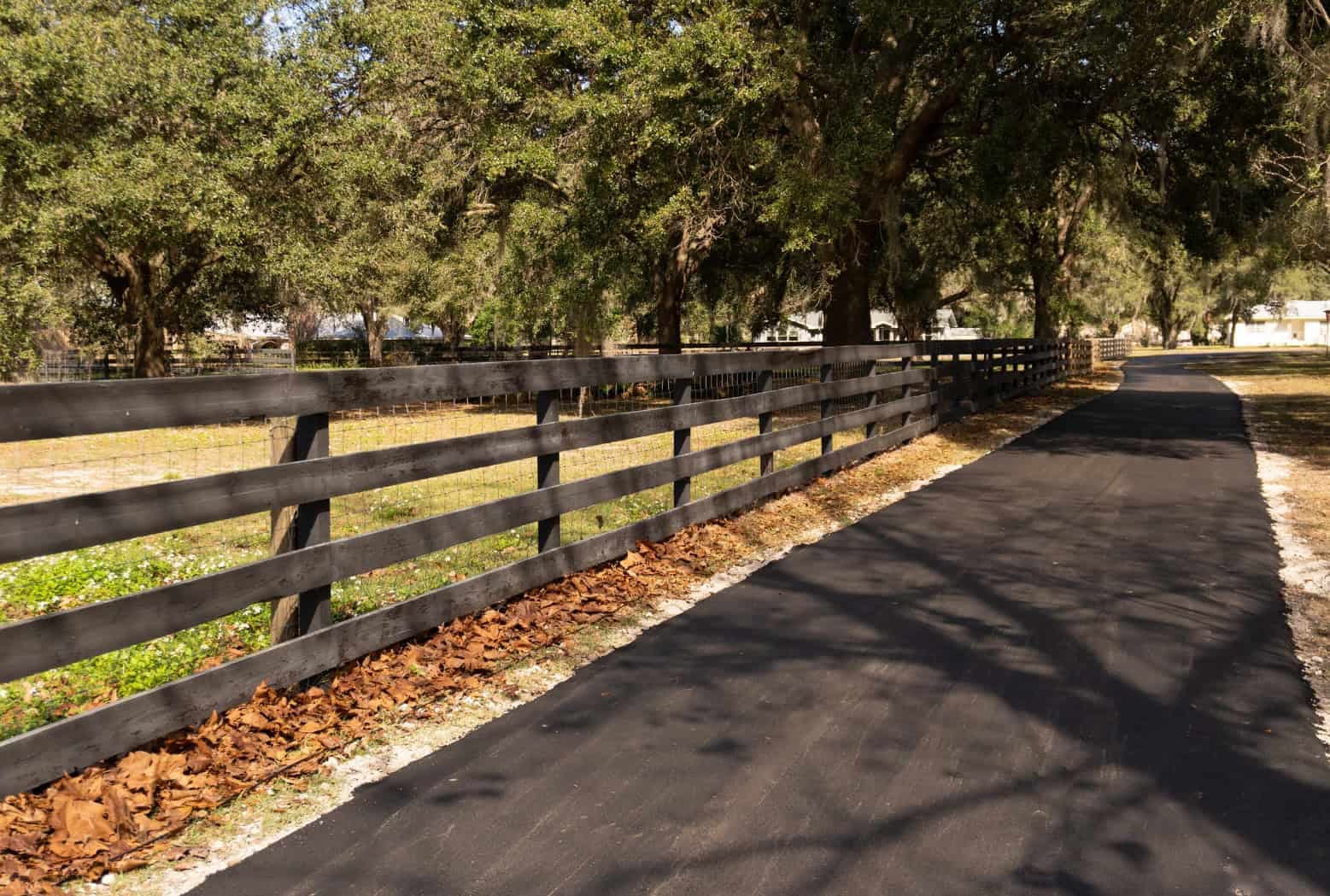
Improve access to your home, community, or rural property with private road paving in Charleston, SC. We build properly drained, long lasting asphalt roads and lanes that handle everyday traffic while reducing dust, mud, and ongoing maintenance.
Precision Asphalt Charleston provides professional private road paving throughout Charleston, SC, South Carolina and the surrounding area. Our licensed, insured crew delivers safe, clean, on-time work with a free estimate before anything begins. Call (854) 666-3678 or request your free quote.
Private Road Paving Tailored to Lowcountry Properties
Private roads and lanes in the Charleston area live a tougher life than most people realize. Soft coastal soils, roots from live oaks, and heavy stormwater can quickly destroy a poorly built surface. Precision Asphalt Charleston focuses specifically on how these local conditions affect private road paving so your driveway, shared lane, or rural access road holds up for years, not just seasons.
We routinely pave private roads for small neighborhoods, flag lots, estate driveways, rural tracts, and business access lanes around Charleston, Mount Pleasant, Johns Island, James Island, and Summerville. Each site is different, so we start by walking the full route with you, noting drainage patterns, shade, existing potholes or ruts, and how the road is actually used. A lane that carries delivery trucks needs a different design than a light residential drive.
Because private roads often cross multiple property lines, we also help you think through access and shared cost issues before we start. If there is an HOA or road maintenance agreement, our team can review the paving standards it calls for and explain how those translate into base thickness, asphalt mix type, and expected lifespan. Our goal is a road that fits your budget but also satisfies any written standards that might affect resale or future disputes.
How We Evaluate and Design Your Private Road or Lane
A durable private road starts long before the first load of asphalt shows up. Our estimator begins with a site visit that usually takes 30 to 60 minutes for most Charleston properties. We measure the length and width of the road, check turning areas, and identify soft spots or low areas that tend to stay wet after rain. In coastal South Carolina, these wet pockets are the number one reason private roads fail early.
Next, we look at the subgrade, which is the native soil supporting the road. Along the marsh or in parts of Johns Island and West Ashley, soils can be very soft or organic. In those areas we may recommend undercutting the top 6 to 12 inches of material and replacing it with graded aggregate base along with geotextile fabric to keep the stone from pumping into the soil. On higher, sandy ground, we might be able to use a thinner base because the soil drains better.
We also ask detailed questions about traffic loads. A lane that only sees passenger vehicles can often use a 2 inch surface course of asphalt over a 4 to 6 inch stone base. If the road must handle garbage trucks, delivery vans, or farm equipment, we may specify a total asphalt thickness of 3 to 4 inches in two lifts over a heavier base. The design is written into your proposal in plain language so you know exactly what you are paying for and why.
Step-by-Step Private Road Paving Process
Once you approve the plan, Precision Asphalt Charleston schedules your project and coordinates any access issues with neighbors or HOA boards. Before work begins, we call 811 to have underground utilities marked, which is especially important on older private roads where lines were added over time without complete records.
On paving day, we begin with clearing and rough grading. We remove vegetation, loose aggregate, and failed asphalt. If there are deep potholes or ruts, we cut them out to solid ground instead of simply filling over the top. For many Lowcountry private roads, we incorporate gentle crowns or cross slopes so rainwater sheds to one side instead of ponding in the wheel paths.
After shaping the road, we install or repair the stone base. This involves bringing in graded aggregate, spreading it to the specified depth, and compacting it with a vibratory roller in multiple passes. In softer sections we may add an extra layer of stone or use a different compaction pattern to lock the base in. Only when the base is tight and stable do we proceed to asphalt.
We typically pave private roads using a mechanical paver for a smooth, uniform surface. The crew places the asphalt in one or two lifts depending on the design, then rolls it with steel drum and rubber-tire rollers to achieve proper density. At tie-in points to existing driveways or county roads, we mill or sawcut the old surface so the transition is flush and safe. Finally, we address edges, install any specified gravel shoulders, and walk the road with you for a final review.
Material Options and Features for Private Roads and Lanes
Not every private road needs the same asphalt mix or finish. We help you choose materials that match the look and performance you want. For most Charleston residential lanes, we recommend a hot-mix asphalt with 9.5 mm or 12.5 mm aggregate size, which provides a smooth ride but enough texture for traction in wet weather. For heavier use, such as farm access roads or small commercial lanes, we may add a base course with a coarser mix to better resist rutting.
If dust and mud are a concern on longer gravel drives, we sometimes phase projects. First we stabilize and pave the primary travel lane, then we return later to widen or add pull-offs once you see how the road functions in daily use. This approach can help groups of neighbors manage cost while still eliminating the worst ruts and washouts quickly.
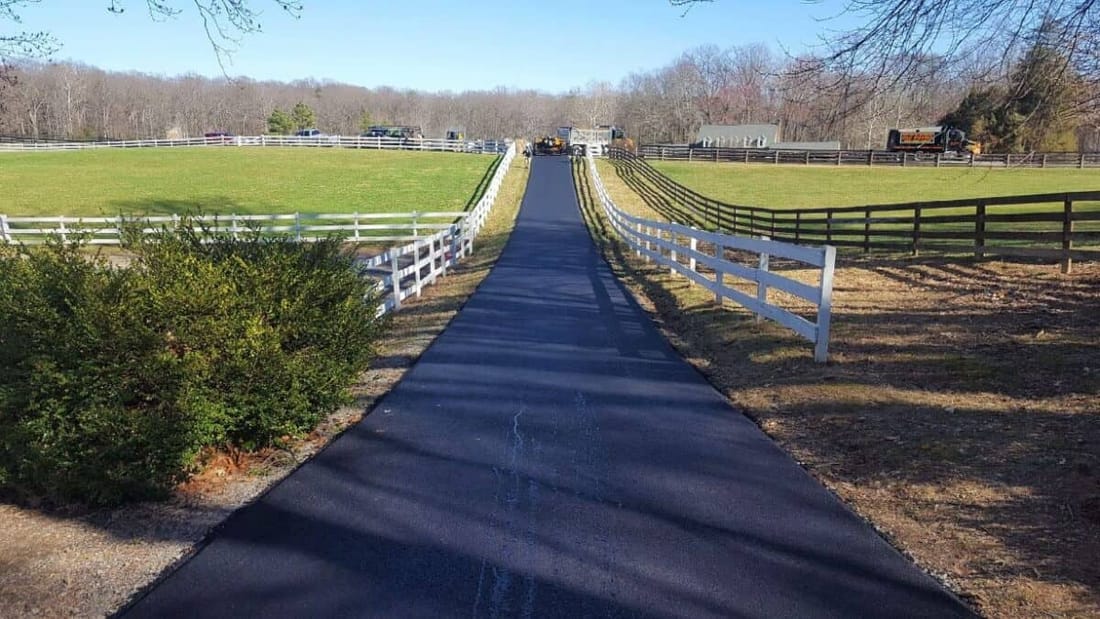
For aesthetics, especially on estate homes or shared drives in smaller subdivisions, we can fine-tune the road alignment and edge treatment so it complements the property. This might include gentle curves, flared entrances for easier turning, or compacted gravel shoulders that blend into landscaping. Where security or access control is important, we coordinate our final elevations with gate installers so equipment clears the pavement and drainage flows away from gate posts and electronics.
Costs, Permits, and HOA Considerations in the Charleston Area
Because every private road is different, we provide itemized proposals instead of one-size pricing. The main cost drivers are length and width of the road, required base thickness, total asphalt depth, and site access. Long, straight stretches are generally more economical per foot than narrow, winding lanes with many tie-ins or tree constraints. Difficult access, such as crossing a narrow bridge or working behind existing homes, can add labor and equipment time.
In Charleston County and nearby jurisdictions, many private roads do not require a formal roadway permit if they are fully on private land and do not change drainage patterns. However, if your private lane connects to a county or state-maintained road, there may be entrance standards or a driveway apron permit. Precision Asphalt Charleston can help you determine whether SCDOT or the local municipality must review the tie-in, especially for commercial uses.
For HOA-governed neighborhoods, there are often pavement standards written into covenants or design guidelines. These might specify minimum width, base depth, or even the type of edge treatment. We are happy to provide drawings and material specifications for HOA review prior to construction so you are not forced to redo work later. If several neighbors share a lane, we can also separate invoices or provide documentation of each party’s share for your records.
To keep budgets predictable, we clearly outline any optional items, such as additional undercutting if we discover unsuitable soils, before work begins. Where possible, we will probe suspect areas during the estimate so you have a realistic range rather than surprises once the crew is on site.
Long-Term Care and Repair Planning for Your Private Road
A well-built private road in the Charleston climate can often deliver 15 to 20 years of service with basic care. The first and most important maintenance task is controlling drainage. After big coastal storms, it is wise to walk your road and look for ponding, shoulder washouts, or new ruts at the edges. Catching these early lets us correct small issues with patching or grading instead of major reconstruction.
Precision Asphalt Charleston offers maintenance plans tailored to private roads and lanes. These can include crack sealing to keep water out of the base, localized patching in high load areas such as at dumpsters or turnarounds, and periodic sealcoating if appropriate for the traffic levels. We will explain which treatments make sense for your specific road rather than selling every option by default.
If you manage a shared road, we can provide a simple condition report with photos that you can share with other owners or an HOA board. This report outlines current condition, likely remaining life, and suggested budget planning for future resurfacing. When it is time to add a new asphalt layer, the existing road often becomes a strong base, and we can mill down high spots, adjust drainage, and overlay to extend service life at a lower cost than full reconstruction.
From the first layout stakes to the final roller pass, our focus is on building a private road or lane that fits how you actually live and work in the Lowcountry. By addressing soil, drainage, and traffic up front, Precision Asphalt Charleston helps you avoid the cycle of yearly patching and instead enjoy a smooth, reliable surface for many years.