Home › Gravel-to-Asphalt Conversions
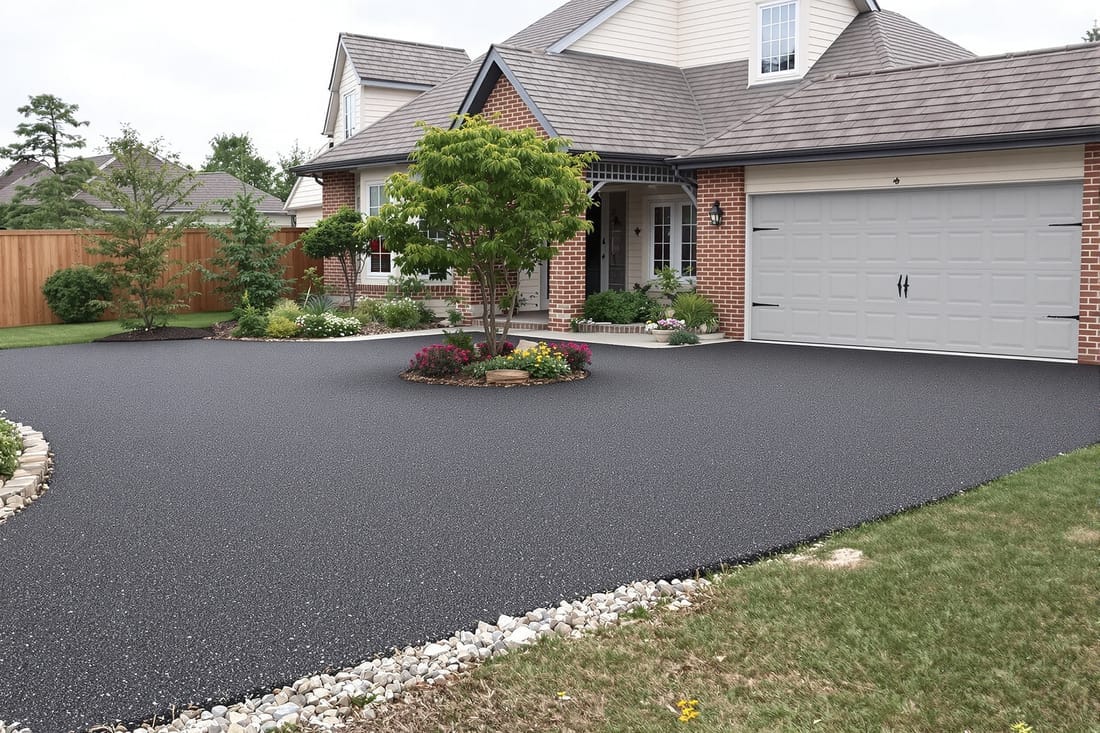
Upgrade from dust and ruts to a clean, smooth surface with gravel to asphalt driveway conversions in Charleston, SC. We correct drainage, install a solid base, and pave with quality asphalt to create a driveway that is easier to drive, plow, and maintain.
Precision Asphalt Charleston provides professional gravel to asphalt driveway throughout Charleston, SC, South Carolina and the surrounding area. Our licensed, insured crew delivers safe, clean, on-time work with a free estimate before anything begins. Call (854) 666-3678 or request your free quote.
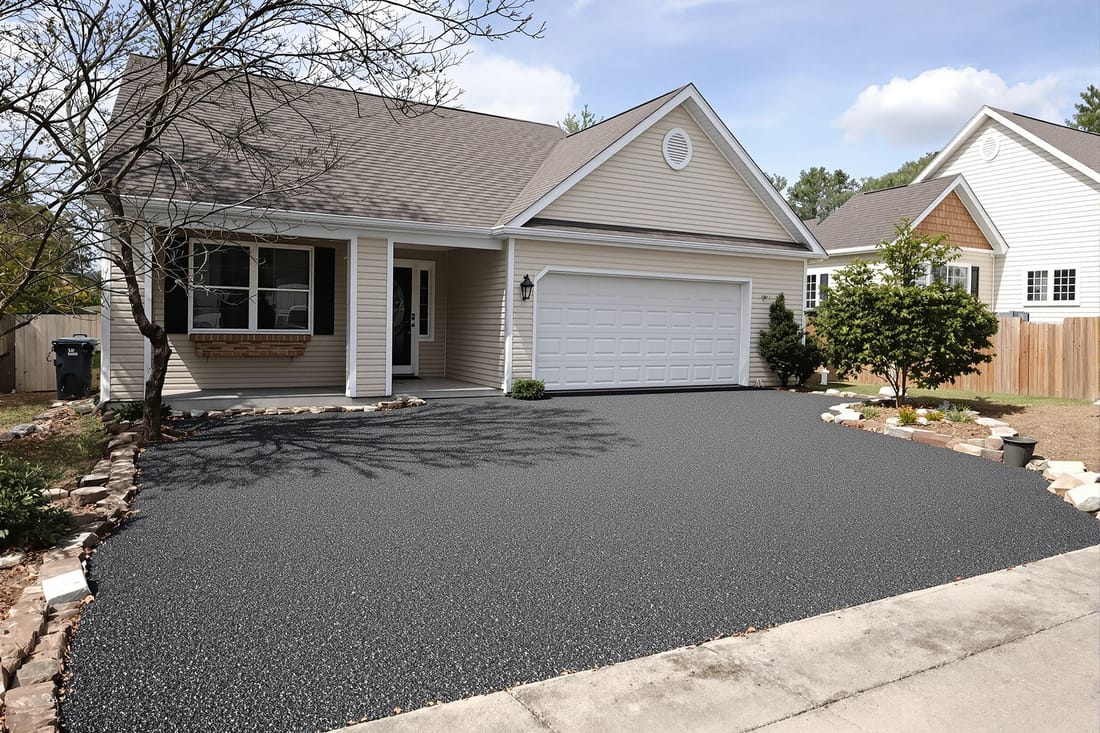
Turn Your Gravel Driveway Into a Smooth Asphalt Surface
If you are tired of ruts, dust, and loose stone, a gravel to asphalt driveway conversion can make everyday life easier and cleaner. Precision Asphalt Charleston helps homeowners and small businesses across Charleston, SC replace dusty gravel with durable, low‑maintenance asphalt that fits Lowcountry conditions.
Gravel driveways are common in our area because they are inexpensive to install, but Charleston’s mix of heavy rain, summer heat, and occasional flooding makes them hard to maintain. Stones wash into the street, mud forms in low spots, and tires dig ruts that only get worse each season. Converting to asphalt gives you a solid, smooth surface that drains correctly, is easier to clear after storms, and looks finished from the street.
Our team focuses specifically on existing gravel to asphalt driveway projects, which are different from building a new driveway from scratch. The underlying stone can be an asset if it is the right depth and properly compacted. We evaluate what you already have so we can reuse good base material, correct weak spots, and avoid surprise settling later. The result is a driveway that feels solid underfoot and under your vehicle, not spongy or uneven.
How We Convert a Gravel Driveway to Asphalt in Charleston
Every conversion starts with a site visit. A Precision Asphalt Charleston estimator walks the driveway, checks slopes, digs a few test spots to see how deep the stone layer is, and looks for soft, wet areas. On the coast, we pay close attention to where water sits after storms and where tree roots or old stumps might cause future problems.
Next we strip and reshape the existing gravel. Using a motor grader and skid steer, we cut down high spots, pull stone out of ditches, and fill ruts so the driveway can be shaped to drain. In many Charleston neighborhoods the challenge is to move water away from the house and toward a swale or street without sending it onto a neighbor’s property. We create subtle crowns and slopes so rain flows off the asphalt instead of pooling.
Once the shape is right, we compact the stone base with a vibratory roller. Any area that pumps water or flexes under the roller is excavated and replaced with fresh aggregate. In very soft coastal soils we sometimes add a geotextile fabric layer under new stone to keep the base from mixing into the native soil. Only when the base is firm and dense do we schedule asphalt paving.
On paving day, hot asphalt is trucked from a local plant and placed promptly so it stays workable. We install a tack coat where needed to help asphalt bond to the stone base, then spread the mix with a paver and compact it with steel and rubber‑tired rollers. Edges are hand‑luted and rolled so you have clean lines along the lawn or landscape beds.
Base Preparation: The Part You Cannot See But Will Definitely Feel
On a gravel to asphalt driveway project, the base is the difference between a driveway that lasts 20 years and one that cracks in two. Precision Asphalt Charleston spends most of our time below the surface so your new asphalt can handle Charleston traffic and weather.
We typically aim for a compacted stone base thickness of 4 to 8 inches, depending on soil conditions and use. For a standard residential driveway on reasonably firm ground, 4 to 6 inches of well‑graded crushed stone is usually sufficient. On James Island, Johns Island, and other areas with softer, sandy soils, or for driveways that regularly see heavy trucks or boat trailers, we increase the depth and may use a larger stone at the bottom with finer stone on top.
Soft spots are the most common issue. These may be areas that were once mud holes in the gravel, former tree locations, or spots where downspouts dumped water for years. We cut these areas out, sometimes as deep as 12 to 18 inches, then rebuild them with compacted aggregate in layers. If this step is skipped, those locations will be where you see early cracking and depressions in the asphalt.
We also look at edge support. Gravel driveways tend to spread out over time, but asphalt needs defined boundaries. Where a driveway edge will see vehicle traffic or drop off into a soft shoulder, we may widen the stone base or recommend adding a small concrete apron or thicker asphalt edge so the pavement does not crumble when tires get close to the side.
Asphalt Thickness, Mix Options, and Finish Choices
Once the base is correct, we select the right asphalt structure for your gravel to asphalt driveway. For most Charleston homes, we install 2.5 to 3 inches of compacted asphalt in either one or two lifts. A typical layout is a 2 inch binder course with a 1 inch surface course for driveways that carry heavier vehicles or sit on weaker soil, and a single 2.5 to 3 inch layer for standard residential use on a strong base.
We primarily use hot mix asphalt produced for our region, which is designed to handle high summer temperatures and our periodic freeze‑thaw cycles without flushing or raveling. The aggregate size in the mix affects both strength and appearance. A slightly coarser mix is more forgiving under heavy loads, while a finer surface mix offers a smoother, more finished look in front of a home.
Homeowners can choose edge details and tie‑ins. We can feather asphalt into an existing street or alley, match a garage slab, or install a small lip at the roadway to help keep stormwater from rushing back up the drive. On sloped driveways, we sometimes use a slightly textured finish to add traction when surfaces are wet.
Color choices with asphalt are more limited than with decorative concrete, but there are still appearance decisions. A clean, sharply cut edge against grass, careful compaction to avoid roller marks, and thoughtful transitions where asphalt meets walkways or brick all affect curb appeal. Precision Asphalt Charleston crews are trained to treat these details as part of the job, not extras.
Local Charleston Factors: Weather, Drainage, and Timing
Charleston’s climate has a big impact on how and when we perform gravel to asphalt driveway conversions. Our heavy, sudden rainstorms can expose base problems quickly, so we design each driveway with drainage as a top priority. This may mean minor regrading around the driveway, cutting shallow swales, or redirecting downspouts so water does not undermine the pavement edge.
Summer heat is actually helpful for asphalt work, since warm temperatures allow for better compaction and bonding. However, on very hot days we may adjust the schedule so asphalt is placed and rolled before the hottest afternoon hours, which helps reduce scuffing from vehicle tires in the first few days. In winter, we avoid paving when surface or air temperatures drop too low to achieve proper compaction.
Because Charleston is low lying, some properties experience periodic flooding or high groundwater. In these situations, we may recommend additional stone depth, a stronger asphalt structure, or even small adjustments to driveway elevation to reduce the time water stands on the surface. If the city or county has drainage easements or ditches along your frontage, we coordinate the driveway design with those structures so they continue to function correctly.
For most homes, the active construction portion of a standard gravel to asphalt driveway conversion takes 1 to 2 days, depending on size and complexity. We ask customers to stay off the new asphalt with vehicles for at least 24 hours, and to avoid sharp turns in place or parking heavy trailers in the same spot for the first week while the surface begins to cure.
Pricing, What Affects Cost, and How to Plan Your Budget
The cost of converting a gravel driveway to asphalt in Charleston varies, but the main drivers are predictable, and understanding them helps you compare quotes fairly.
Key cost factors include total square footage, thickness of stone base and asphalt, how much base repair or replacement is needed, and site access. A long, straight driveway with a solid existing gravel base is typically more economical per square foot than a short, winding drive with poor drainage and soft areas that require excavation.
If your current gravel layer is thin or heavily contaminated with mud, we may need to haul in additional aggregate to reach the required base depth. This affects both material and trucking costs. On properties with poor access for trucks or equipment, more labor and smaller loads can slightly increase the price. Conversely, if you have a well maintained gravel drive with sufficient depth, we can often reuse most of that material and keep costs down.
Precision Asphalt Charleston provides written proposals that break down major components, such as base work, asphalt installation, and any drainage improvements. We are happy to talk through options like adjusting driveway width, changing the layout to shorten the run, or phasing work in sections to align with your budget. Our goal is to recommend a design that fits both your property and your long term plans, instead of pushing a one‑size‑fits‑all package.
What to Expect When You Hire Precision Asphalt Charleston
From the first visit, we approach a gravel to asphalt driveway conversion as a partnership with you and with the property itself. During the consultation we listen to how you use the driveway: How many vehicles do you park, do you back trailers, where do delivery trucks usually stop, and do you have concerns about kids playing or guests parking along the road. That information helps us shape the layout, turning areas, and thickness.
Before work begins, we mark the proposed edges with paint or flags so you can visualize the final footprint. We also confirm any utility locations and review where equipment will enter and exit to minimize lawn disturbance. On paving day, our crew will manage traffic so you are never surprised or trapped in the garage.
After installation, we walk the driveway with you to review the work and answer maintenance questions. We explain how to treat the new surface during the first few weeks, how to handle small spills from vehicles, and when to start thinking about sealcoating. For most Charleston driveways, we do not recommend sealcoating in the first year, since the asphalt needs time to fully cure.
Because we live and work here, our reputation in the Charleston community is tied to how these driveways hold up over time. Precision Asphalt Charleston stands behind our gravel to asphalt driveway conversions and is available if you notice anything that does not look or feel right as the new surface settles into place.