Home › Commercial Gravel-to-Asphalt Conversions
Improve appearance and reduce maintenance with commercial gravel to asphalt conversions in Charleston, SC. We upgrade gravel lots, drives, and access roads to durable asphalt surfaces that handle traffic better and keep dust and mud under control.
Precision Asphalt Charleston provides professional commercial gravel to asphalt throughout Charleston, SC, South Carolina and the surrounding area. Our licensed, insured crew delivers safe, clean, on-time work with a free estimate before anything begins. Call (854) 666-3678 or request your free quote.
Turn Loose Gravel Lots Into Durable Asphalt Surfaces
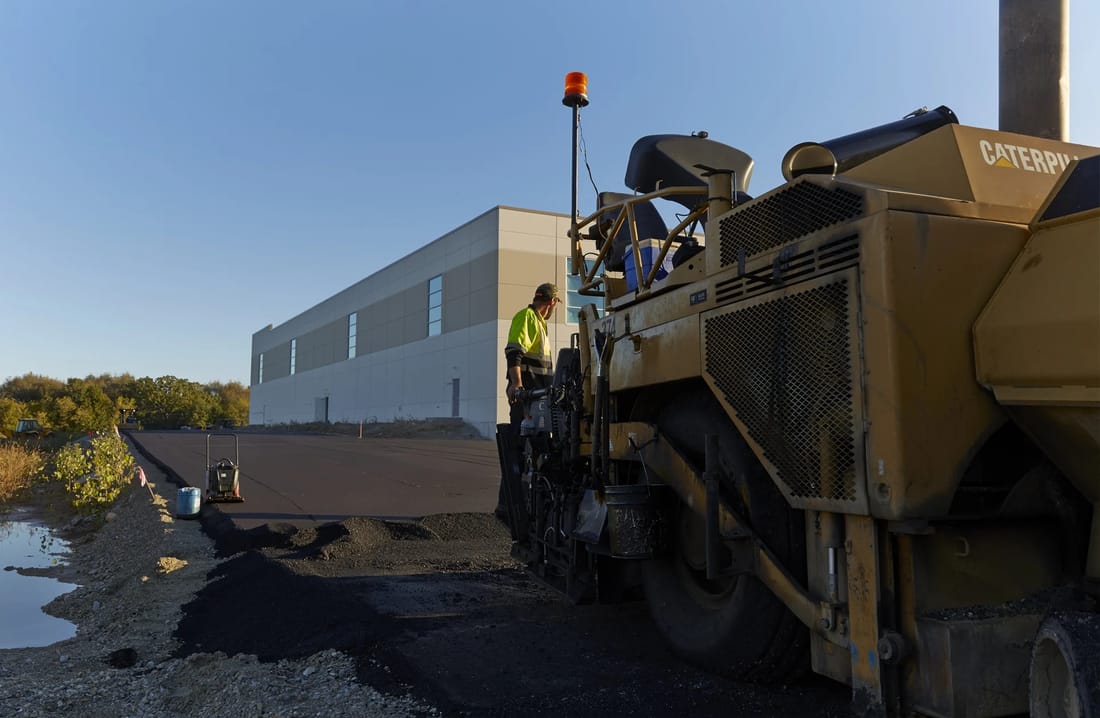
If your commercial property in Charleston is still using a gravel lot, you are dealing with washouts, rutting, dust, and constant grading costs. Precision Asphalt Charleston focuses on commercial gravel-to-asphalt conversions that turn those high-maintenance areas into smooth, striped, long-lasting asphalt surfaces that work for daily business use.
We handle everything from small business parking areas and drive-thru lanes to large industrial yards and mixed-use developments. Our crews understand the conditions around Charleston, from the soft coastal soils in West Ashley and Daniel Island to the heavier truck traffic around North Charleston industrial sites. We factor in how your lot is actually used, how delivery trucks move, where water collects, and what your future expansion plans look like.
The goal is not just to cover gravel with blacktop. A proper commercial gravel-to-asphalt project creates a stable, properly drained structure under the asphalt, so you are not fighting cracks, dips, and potholes within a couple of years. We take the time to explain the condition of your existing base, the work it needs, and the different asphalt options that fit your traffic and budget.
How We Convert Commercial Gravel Lots To Asphalt
A good gravel-to-asphalt conversion follows a clear process. When Precision Asphalt Charleston visits your site, we start with a walk-through while your lot is in use whenever possible. We look at how vehicles enter and exit, where trucks turn, where puddles form after rain, and where gravel has migrated or washed away.
We then take elevations with a laser level to understand the existing slope. In the Lowcountry, it is common to find almost flat lots. For asphalt, we need a minimum slope so water runs off and does not sit on the surface. If the grades are poor, we plan for regrading using skid steers or graders to create a gentle crown or consistent fall toward drains, ditches, or swales.
Next, we evaluate the existing gravel base. On some commercial sites the gravel is deep and well compacted. On others, it is thin over soft fill. We proof-roll the surface with a loaded truck or roller and mark any pumping or yielding areas. Those soft spots are excavated, then we bring in graded aggregate base stone, typically compacted in 4 to 6 inch lifts with vibratory rollers until it is tight and stable.
Once the base is sound and at the right slope, we fine grade and compact again to achieve a smooth, even surface. We then apply a tack coat where needed so the new asphalt bonds correctly. For most commercial parking lots we install an asphalt binder course for strength, followed by a surface course for a clean finish. Industrial or heavy truck areas may get a thicker single-course design or a heavier binder layer.
After paving, we roll the asphalt until it has a consistent, dense finish, then allow proper cooling time. The final step is layout and striping for parking spaces, fire lanes, ADA stalls, and traffic markings, along with wheel stops or bollards if required. We schedule this work to reduce downtime for your business, often paving in phases so you can keep part of the lot open.
Options For Different Commercial Uses And Traffic Loads
Not every commercial gravel-to-asphalt project should be built the same way. Precision Asphalt Charleston tailors each job to the use of the property, the soil conditions, and the budget. The two main variables are stone base thickness and asphalt thickness and mix type.
For light-duty commercial parking that mainly sees cars and light pickups, a typical design might be 4 to 6 inches of compacted stone with 2.5 to 3 inches of asphalt in one or two lifts. For businesses that see delivery trucks, dumpsters, or work vans on a daily basis, we increase both the stone base and the asphalt thickness, and we may use a stronger binder mix in truck lanes and loading zones.
For retail centers, restaurants, and medical offices in Charleston, appearance and drainage usually matter as much as strength. We often break the lot into zones, with thicker pavement where delivery trucks turn and lighter sections in standard parking rows. For coastal or marsh-adjacent sites, like around Johns Island or Mount Pleasant, we pay close attention to subgrade moisture. In some cases, we recommend geotextile fabric under the stone base to keep the soft native soils from pumping up into the rock over time.
You will also have options on the layout itself when converting from gravel. A gravel lot often grows organically, with no clear lanes or stalls. During the conversion we can tighten up circulation, add defined entrances and exits, and allocate space for ADA parking, loading areas, and future EV chargers. These changes can often increase the parking count and improve traffic flow without expanding your property footprint.
We discuss sealing and maintenance schedules up front as well. For busy commercial properties, planning for sealcoating and restriping every few years keeps the asphalt in better shape and helps you avoid the premature failures that happen when small cracks and edges are ignored.
Cost Drivers, Local Factors, And Common Problems We Solve
The cost of commercial gravel-to-asphalt work in Charleston is shaped mostly by base preparation, asphalt thickness, drainage needs, and how easily we can access the site with equipment and trucks. Properties with thick, well-compacted gravel and good slopes are faster and less expensive to convert. Lots that have standing water, thin gravel, or soft fill will need more excavation, stone, and grading.
One common Lowcountry issue is poor drainage. Gravel can hide how bad the drainage really is because the water can sink in or spread out. Once asphalt is installed, any trapped water will find joints and edges. Precision Asphalt Charleston checks for this in advance. In some cases, we install new catch basins or tie into existing storm infrastructure. Other times we correct the problem simply by regrading and directing water to grassed swales at the perimeter.
Another frequent problem is soft or contaminated subgrade, especially on older industrial or warehouse sites that were filled years ago. We deal with this by undercutting unstable areas and replacing them with compacted stone, or by using geotextile fabric to separate muddy soils from the base layer. Ignoring these pockets leads to future potholes and depressed areas that are expensive to patch.
Traffic management is also a real concern on active properties. For shopping centers or busy service businesses, we can phase the work so customers still have access. This might mean converting half the gravel lot to asphalt first, moving parking, then finishing the remainder, or working off-hours. Before any work begins, we lay out a staging plan that explains where equipment will be parked, how deliveries will be handled, and which entrances stay open.
Charleston’s heat and humidity are additional factors. We schedule asphalt deliveries and rolling so the mix is placed at the right temperature, and we take care with joint construction so the surface does not ravel or separate. We also talk with clients about realistic curing time and when heavy trucks or dumpsters should be allowed on the fresh pavement so you do not end up with wheel ruts or indentations in the first week.
What To Expect When You Hire Precision Asphalt Charleston
When you contact Precision Asphalt Charleston about commercial gravel-to-asphalt conversions, we start with a site visit and straightforward conversation. We measure the lot, check grades, probe the gravel depth, and ask detailed questions about your daily traffic, delivery schedules, and future plans for the property. You receive a written proposal that breaks out the major parts of the work, including any drainage improvements, base repairs, and asphalt thicknesses, so you know exactly what you are paying for.
We help you prepare for the project by discussing temporary parking arrangements, signage, and communication with your tenants or customers. If permits or coordination with the City of Charleston, Charleston County, or local fire marshals are needed, we let you know up front and can assist as required. We also verify utility locations before any excavation so there are no surprises.
During construction, you can expect a clear point of contact on-site who will keep you informed about progress and any unforeseen issues, such as hidden soft spots or unknown underground structures. If we encounter something that changes the plan, we explain the options and pricing before moving ahead. Our crews keep work areas as tidy as possible, managing dust from grading and cleaning up loose gravel and debris at the end of each day.
Once the asphalt is placed and striped, we walk the site with you to review drainage, layout, and finish quality. We point out any areas that may need extra curing time or load restrictions, and we outline a maintenance plan tailored to your use. Our aim is to deliver a surface that holds up to Charleston’s climate and your actual traffic so you get the longest possible service life from your investment in a commercial gravel-to-asphalt conversion.